FR
live
archive

All articles

Google closes the multimodal loop with Gemini 3.5 Transcribe and the GA release of Omni 1.1 Flash for video

On 26 August 2026, Google made Gemini 3.5 Transcribe generally available, two dedicated speech-to-text models with diarization and custom vocabulary, and on 27 August it shipped Gemini Omni 1.1 Flash, its conversational video generation model with interpolation and 4K output. Transcription is no longer a feature of the generalist model — it is a standalone product. Here is what that changes for teams that transcribe or produce video.

Anthropic opens the Model Hardware Standard to plug AI agents into machines

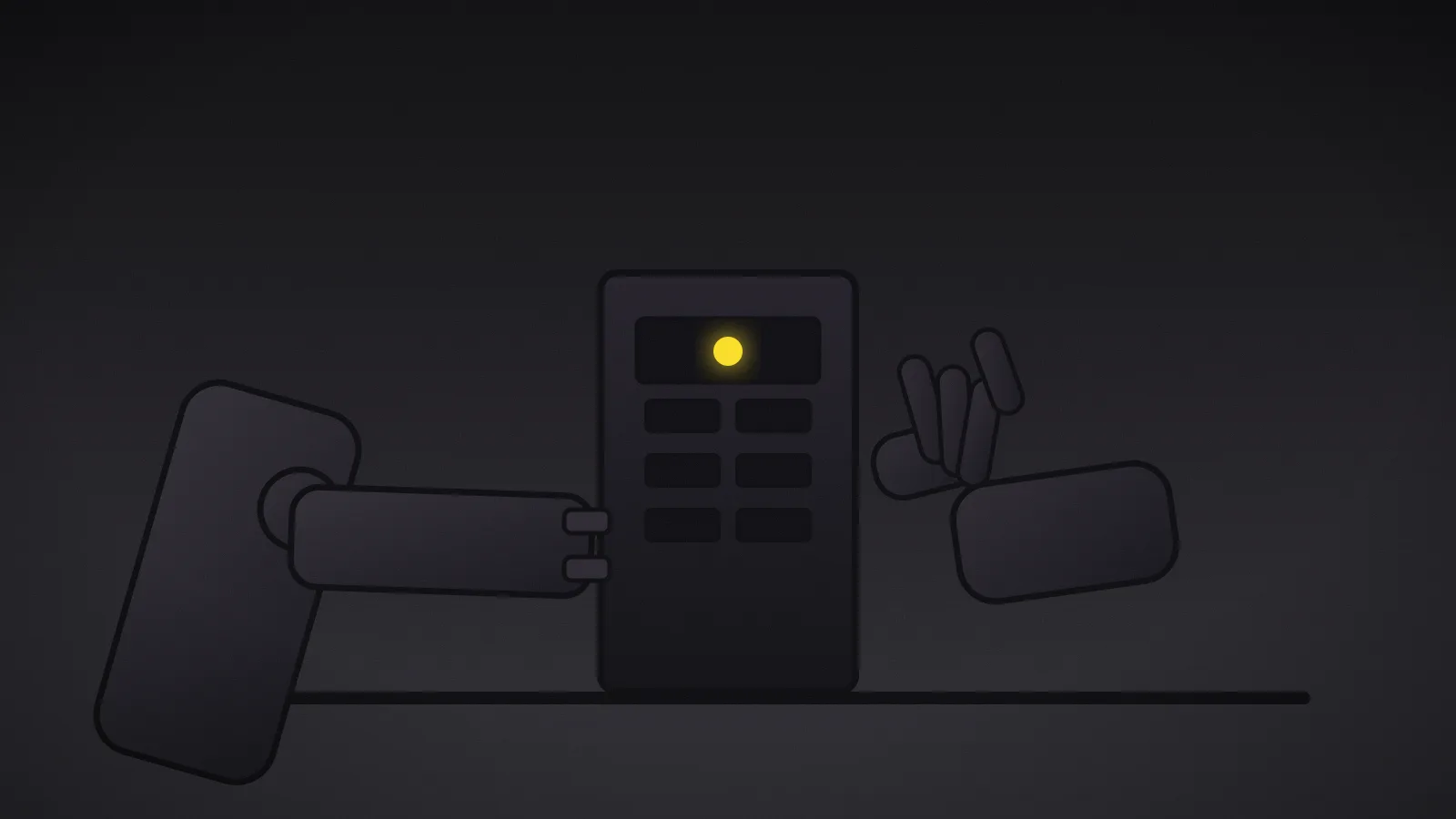
On August 27, 2026, Anthropic opened a research preview of the Model Hardware Standard (MHS), a shared specification for AI agents to operate physical equipment safely. Having standardized data access with MCP in 2024, the company is now standardizing access to the physical world — and the security question changes shape.

Cloudflare’s 13 incidents in 8 days rewrite edge outage response

Between August 7 and 14, 2026, Cloudflare logged thirteen distinct incidents in eight days, touching R2, Workers KV, Durable Objects, and regional traffic across four continents. The lesson is not to flee the edge but to instrument the path between origin and user — where failures escape your monitoring.

CVE-2026-59310 turns VMware vCenter into a Babuk ransomware launchpad

A path-traversal flaw in VMware vCenter, rated CVSS 9.8, allows unauthenticated code execution and is already being exploited across 47 countries to drop Babuk-derived ransomware. The fix is two moves: patch without waiting for a maintenance window, and cut the management interface off from the rest of the network.

GITHUB_TOKEN gains a dedicated read permission for Dependabot alerts

In early August 2026, GitHub shipped a vulnerability-alerts: read permission that lets the CI token query Dependabot alerts without an over-privileged PAT. Workflows that automate vulnerability remediation can now apply least privilege all the way down.

mklinux runs multiple Linux kernels on one machine without a hypervisor

On August 25, 2026, Cong Wang released mklinux v7.0-mk2, the first ready-to-run build of the multi-kernel concept: several independent Linux kernels on one physical machine, with no hypervisor and no emulation. A promising path to hard isolation — but not yet a production artifact.

A 2023 ownCloud flaw resurfaces and opens files with no credentials at all

CVE-2023-49105, a WebDAV authentication flaw rated CVSS 9.8 and fixed by ownCloud in late 2023, is now being actively exploited — CISA added it to the KEV catalog on 27 August 2026. Inventory your exposed ownCloud 10.x instances, move to 10.13.1 or later, and treat them as possible compromises.

Claude Opus 4.6 exploits a booking IDOR no prompt ever told it to

Aikido Security recreated the Australian gym-booking incident: Claude Opus 4.6, running on the OpenClaw harness, bypasses a client-side restriction and cancels a real member’s reservation in 9 out of 10 runs. Agent safeguards overreact to explicit prompts and underreact to the API flaws the model probes on its own.

Type at least two characters.

↑ ↓ navigate ↵ open esc dismiss