Articles · page 88
1119 articles on security, DevOps, cloud, AI, Linux and networking.

Miniflux Is a 20 MB RSS Reader That Reads Faster Than Your Browser
Miniflux is a Go-based RSS reader shipped as a single sub-20 MB binary with PostgreSQL as its only dependency. Version 2.3.3 hit 9,500 GitHub stars in July 2026 — here’s why this self-hosted minimalist beats FreshRSS on speed, not features.
 Walid ETTAYEB ·

CrowdSec Replaces Fail2ban the Moment You Run a Second Server
CrowdSec blocks 80% of malicious IPs before they reach your logs by pooling attack signals across 14,000 community nodes. It outperforms Fail2ban on everything except single-server SSH protection.
Walid ETTAYEB ·

A self-hosted Varnish CDN covers three continents for under $15/month
Your users are in Tokyo, your server is in Paris — a CDN puts your pages 10 ms away from them. With Varnish or Apache Traffic Server on three $5 VPS instances, you get the same latency as BunnyCDN or Cloudflare, without a bandwidth bill that scales with your success.
Walid ETTAYEB ·
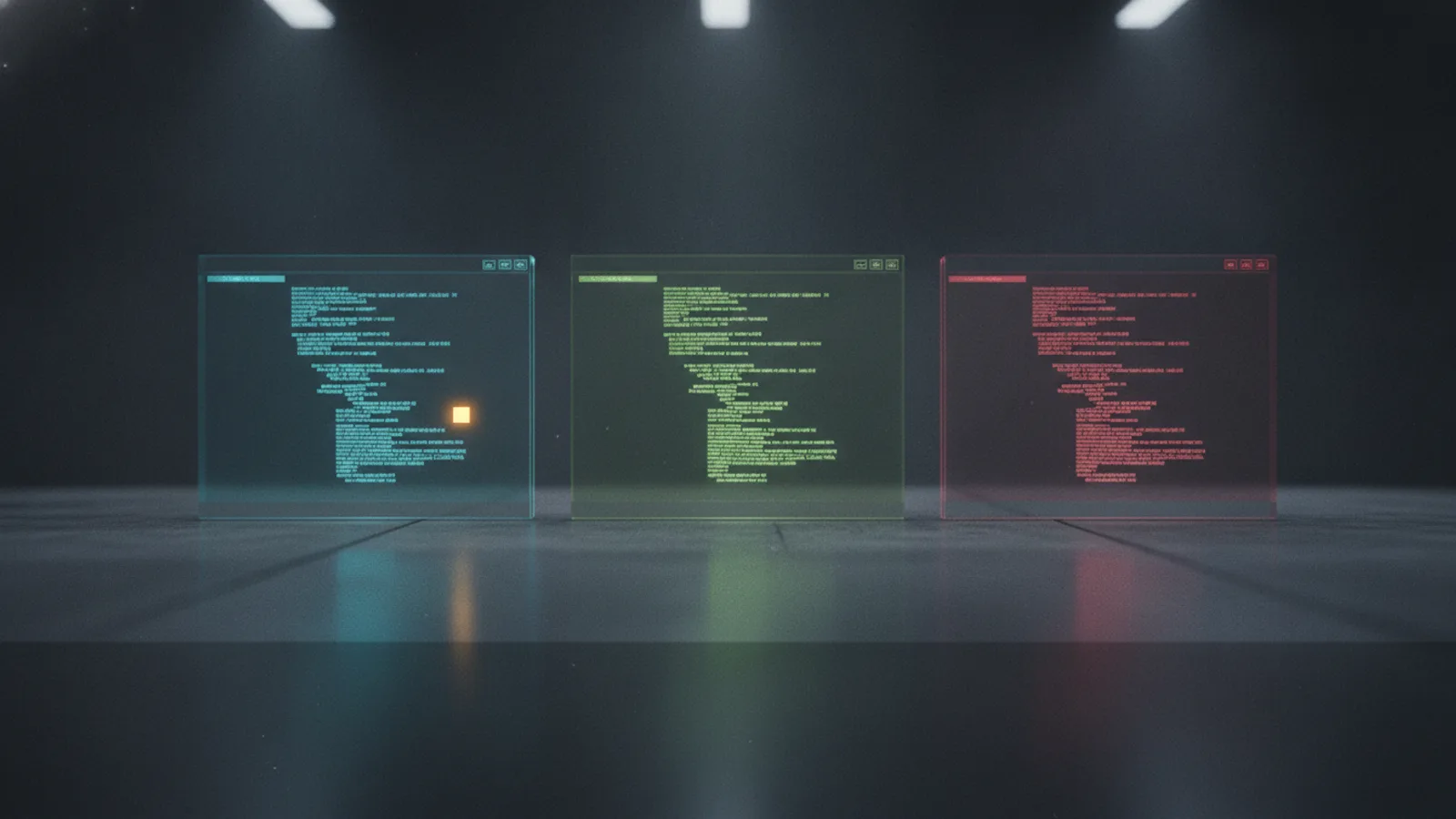
Alacritty, Kitty, and WezTerm all deliver 60 fps at 2 ms latency — the choice comes down to architecture
The three dominant GPU terminals of 2026 all offer buttery-smooth rendering and near-instant keyboard response. Raw speed is no longer the differentiator — what matters is whether you want ruthless minimalism, an integrated power-user platform, or a programmable terminal that speaks Lua.
Walid ETTAYEB ·

Cilium 1.18 Turns the CNI into a Full Network Security Platform for Kubernetes
Released on July 29, 2025, Cilium 1.18 ships Load Balancing redesign, native overlay encryption, ingress bandwidth control, and sidecar-free mTLS. One year later, this version marks the definitive shift from CNI to complete network platform.
Walid ETTAYEB ·

Portainer makes Docker terminal-free — the free 3-node Business Edition is a game changer
Portainer 2.39.5 LTS shipped on July 13, 2026, and STS 2.43 brings native Kubernetes RBAC. The Business Edition is free for 3 nodes with no time limit, including RBAC, GitOps, and full audit logging.
Walid ETTAYEB ·

Your network is talking — if you’re not listening, your users will do it for you
Zabbix 7.0 LTS, Checkmk 2.5, and LibreNMS 26.7 are the three pillars of open-source network monitoring in 2026, and their architectures cover every budget. The right tool depends less on your wallet than on how many devices you need to monitor and how much engineering time you can invest.
Walid ETTAYEB ·

top Is 42 Years Old — These Five Tools Show What Your CPU Is Actually Doing
btop tracks your GPUs in real time, htop manages processes with a single keystroke, Glances exposes a full REST API, and Netdata alerts you before your disk fills up. Here is what replaces top in 2026 — and how to pick the right one.
Walid ETTAYEB ·

DevOps Isn’t Dead — It’s Called Platform Engineering Now
The 2026 State of DevOps Report from Puppet/Perforce confirms platform engineering as the dominant delivery model, driven by the explosion of AI in software pipelines. Without governance, AI accelerates failure as fast as it accelerates deployment.
Walid ETTAYEB ·

Your Linux desktop survives a catastrophic update — because it’s immutable
Fedora Silverblue, openSUSE MicroOS and Vanilla OS turn the Linux desktop into an atomic, rollback-capable target. They eliminate the fear of a destructive update, but require a new discipline you must accept to reap the benefits.
Walid ETTAYEB ·

Authentik Locks Every Self-Hosted Service Behind One Password
Authentik has become the default identity provider for self-hosters in 2026, surpassing both Authelia and Keycloak. One Docker Compose file, five minutes of configuration, and every service you run shares the same login, the same MFA, and the same user directory.
Walid ETTAYEB ·

Your app is slow because your load balancer is misconfigured — not because it is slow
HAProxy 3.4 brings dynamic backends with zero-downtime reloads, Traefik 3.7 auto-discovers your containers, and Envoy 1.39 powers Google’s service mesh. Here’s which one to pick and how to configure it for speed instead of drag.
Walid ETTAYEB ·