
Docker Engine 29.10 stops trusting loopback and breaks local registries without TLS
On 16 November 2026, Docker Engine 29.10 stops automatically treating loopback addresses as insecure registries whenever an insecure-registries list is configured: pulls and pushes to a local HTTP registry fail after the upgrade. Before upgrading, list your local registries and add them explicitly — or move them to TLS.
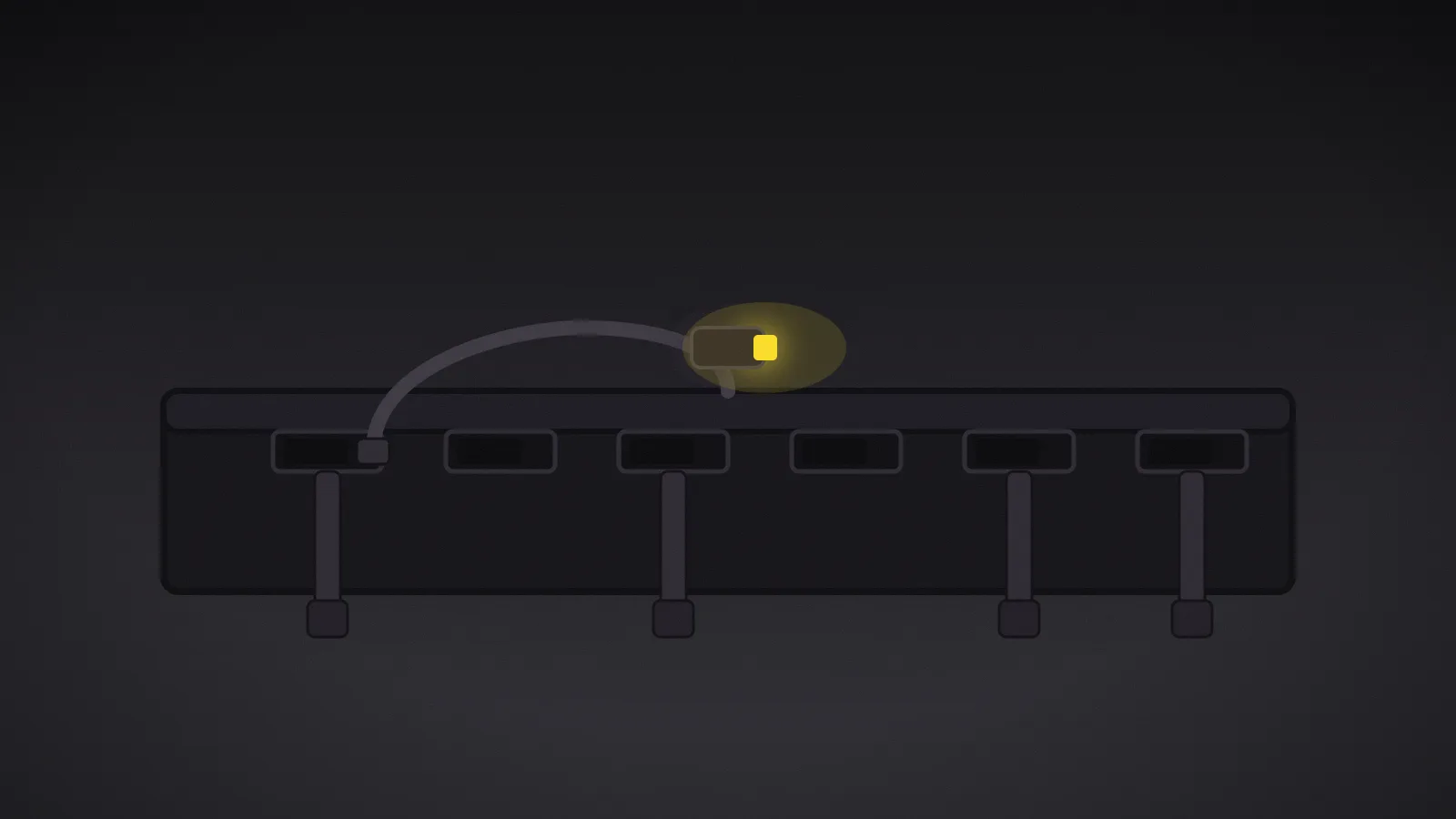
16 November 2026. Docker ships Docker Engine 29.10.0, two weeks after the 29.9.3 security patch. 127.0.0.0/8 and ::1/128. The two loopback ranges the daemon stops treating as insecure registries as soon as an insecure-registries list is explicitly configured. "insecure-registries": []. The value that now disables every default insecure registry. Why it matters: this release carries a behaviour change that can break, right after upgrade, the pull or push to a local registry running over HTTP or an untrusted TLS certificate.
The breaking change: loopback is no longer insecure by default
Up to 29.9, the daemon treated the loopback ranges — 127.0.0.0/8 and ::1/128 — as insecure registries implicitly, even when you had configured your own insecure-registries list. That made local development easy: a docker push localhost:5000/… to a test registry over HTTP worked with no extra configuration.
29.10 changes the rule. As soon as you explicitly set insecure-registries in daemon.json — or pass --insecure-registry to the daemon — Docker no longer automatically treats loopback as insecure. In practice: after upgrading, a pull or push to localhost:5000 over HTTP or a self-signed certificate may fail unless that address is listed explicitly in your configuration.
The fix is simple, but it has to be applied before the upgrade:
# /etc/docker/daemon.json — add the local registry explicitly
{
  "insecure-registries": ["localhost:5000"]
}
Two edge cases deserve attention. If you omit the insecure-registries key entirely, loopback stays insecure by default — the historical behaviour is preserved and nothing changes. But if you set "insecure-registries": [], you disable all default insecure registries, loopback included. That is the strictest option, and the one most likely to surprise a team that only discovers the difference the next time the registry goes down.
The upgrade rule is one sentence: inventory your local registries before you deploy, add each HTTP or untrusted-TLS address explicitly, or move them to TLS with a trusted certificate. The change is documented in the release notes, issue moby/moby#53868.
What 29.10 actually adds
This release is not only hardening. It also lays groundwork for a Docker that manages a wider range of workloads than a container lifecycle.
Native jobs. The daemon gains experimental support for jobs: one-shot and cron-scheduled workloads managed natively by the daemon instead of an external scheduler, enabled through an opt-in built-in extension:
dockerd --enable-extension org.mobyproject.jobs.v0Configurable containerd. You can now customise Docker’s embedded containerd via configuration files in /etc/docker/containerd.d/, without replacing the binary or rebuilding the host image.
Richer events. The die event exposes a restarting attribute that tells consumers whether the container is about to restart — a signal observability tools have long wanted to distinguish a final exit from a restart-policy cycle.
Firewall and networking. The nftables firewall backend can now join a Swarm cluster (experimental). Several fixes target overlay networks: restoring iptables rules after firewalld stops, fixing the MTU of overlay interfaces over IPv6, and stopping healthy Swarm managers from exchanging full overlay state every minute.
Packages and API. Official packages are now available for AlmaLinux, Oracle Linux, and Rocky Linux. The Engine API specification moves to OpenAPI 3.2 — a Swagger 2.0 copy pinned to API v1.57 is published for the transition, but future versions won’t get one.
Under the hood, runc moves to 1.5.3, BuildKit to 0.35.0, and the Go runtime to 1.27.4.
Why this change lands now
The loopback hardening is not isolated. It belongs to a series of fixes that, since September 2026, have closed image supply-chain holes: in 29.8.2, a malicious DNS response could disable TLS verification during a pull; in 29.9.3, a regression silently dropped the encryption of Swarm overlay networks after firewalld flushed iptables rules. Each release tightens the implicit trust the daemon granted to its surroundings.
The loopback change follows the same logic: never grant more trust than what was explicitly asked for. A local registry over HTTP is an open door to a man-in-the-middle on the host or the local network. Making it visible in the configuration forces every team to own that choice instead of absorbing it silently. It is an ergonomics change paid for in rigour, and recovered in clarity about what each host actually trusts.
The verdict
If you run local registries over HTTP or self-signed TLS, prepare 29.10 before installing it: list your insecure-registries, add localhost:5000 and internal addresses explicitly, then test a pull and a push against each registry after the upgrade. The cost is minutes; the alternative is a CI/CD pipeline that fails at the worst possible moment, mid-release.
If you don’t use an insecure local registry, 29.10 is still a routine upgrade — but use it to set "insecure-registries": [] if you want the strictest posture, and to evaluate the experimental jobs if a native cron engine would spare you a dedicated scheduler. And if you run Swarm, verify overlay network reconvergence after the upgrade: that is where this release’s fixes matter most.