Linux 7.4-rc2 clears a milestone: in BPF, AI-driven fixes now outpace incoming bug reports
On 8 November 2026, Linus Torvalds tagged Linux 7.4-rc2 after the largest merge window in kernel history, and BPF maintainer Alexei Starovoitov reported that his subsystem now fixes AI-discovered bugs faster than new reports arrive.
 Walid ETTAYEBParis ·
1 November 2026. Linus Torvalds closes the largest merge window in Git history and ships Linux 7.4-rc1 with close to 20,000 commits. 8 November 2026. He tags Linux 7.4-rc2 a week later, folding in a delayed batch of Coccinelle cleanups as he goes. 9 November 2026. BPF maintainer Alexei Starovoitov reports a number that reframes the whole cycle: his team now fixes AI-discovered bugs faster than new reports come in. Why it matters: it is the first kernel subsystem to cross that tipping point, and it is a hard signal in a debate that has been dominated by vague impressions of an “AI patch flood”.
Coccinelle noise distorts the diffstat
The first thing a rushed reader would notice about 7.4-rc2 is an unusually large diffstat. The cause has nothing to do with a feature explosion. Torvalds had held back a series of automated Coccinelle cleanups during the merge window — the semantic-pattern code transformation tool, sibling of Sparse and Smatch — because he was travelling. He merged them the moment the rc2 cycle opened.
These patches touch thousands of files, but they are one- and two-line fixes: mechanical replacements with no new business logic. Torvalds stresses this in his LKML announcement: the raw volume is misleading, and the operational risk to testers is minimal. Strip out that script noise and the real distribution of changes settles back into a predictable, roughly equal three-way split.
Three thirds, and one subsystem that stands out
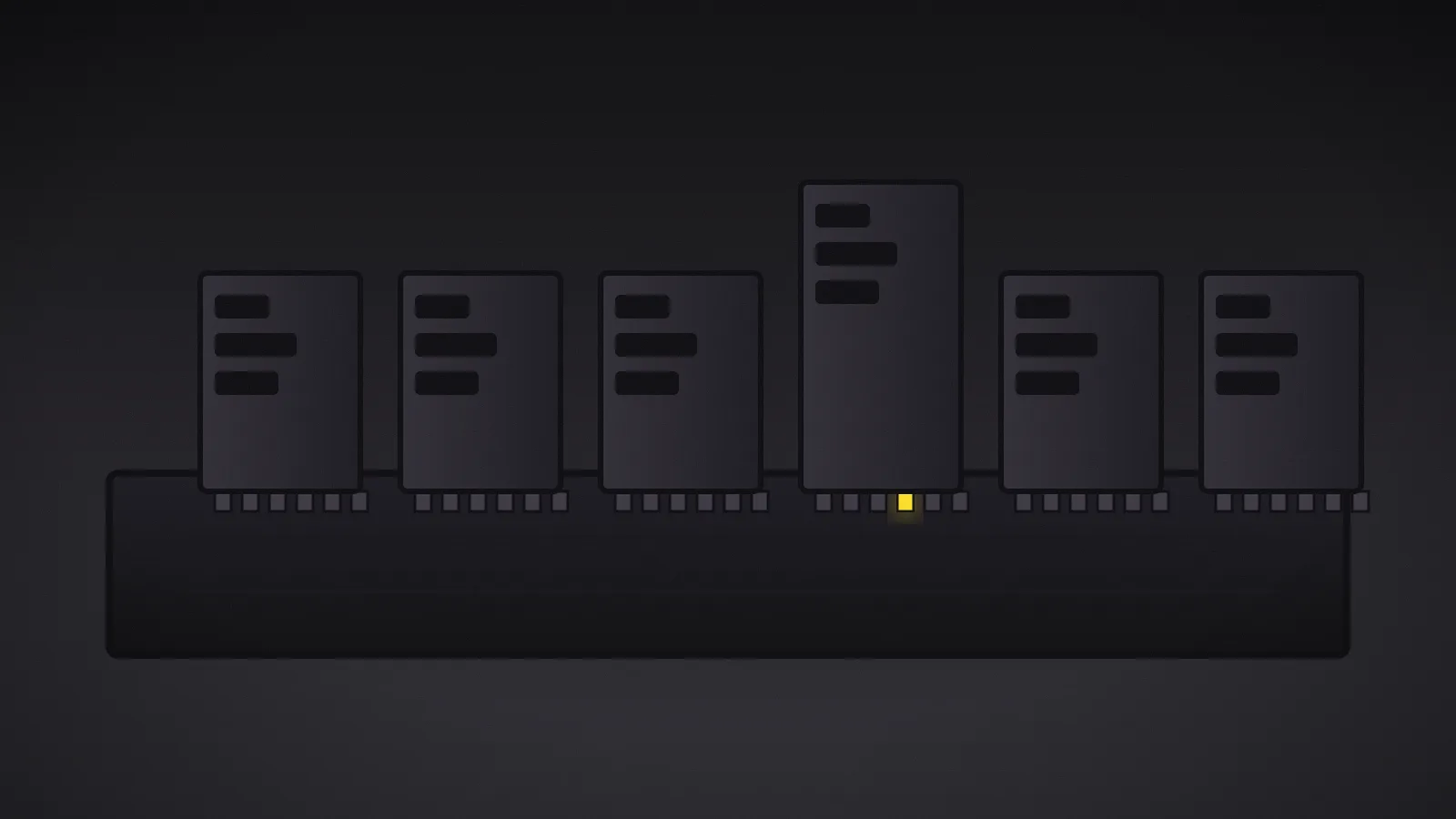
The real changes in 7.4-rc2 fall into three comparable buckets. Device drivers make up roughly a third, concentrated on GPU drivers and audio chips. Networking and BPF make up another third, spanning the socket layer, the eBPF verifier, routing, and transport. The final third is core systems: memory management, the VFS, and architecture patches.
The novelty sits in the networking third. Alexei Starovoitov, a long-time BPF maintainer, told Torvalds that his subsystem has crossed an unprecedented threshold: the rate at which AI-discovered bugs get fixed now exceeds the rate at which new reports arrive. In plain terms, the defect backlog is shrinking instead of growing.
Torvalds is careful not to overclaim. Most subsystems have not reached that point yet, he writes. But he reads it as the first clear sign that AI-assisted debugging can produce a net stability gain, not just patch noise for humans to review. The distinction matters: elsewhere in the kernel, the bottleneck has long been human review, not code generation.
What this changes for maintainers
The change is technical, but its consequences are operational. For a team that maintains an in-house kernel, a distribution, or an out-of-tree module, the BPF signal offers a metric worth tracking: the slope of the bug backlog, rather than raw patch volume. A subsystem where fixes outpace reports is not “fixed” — but it is under control.
The 7.4 trajectory is otherwise a textbook stabilization cycle. Torvalds will publish weekly candidates from -rc3 through -rc7, and Greg Kroah-Hartman is targeting 20 December 2026 for the final stable release. Early testers such as Luna Jernberg on a Dell laptop report clean boots, but a release candidate does not belong in production.
# Track a subsystem's stabilization rate without reading LKML in real time:
# count "fix" commits per rc, excluding Coccinelle cleanups
# ("treewide:" or "coccinelle:" messages).
git clone --depth 50 https://git.kernel.org/pub/scm/linux/kernel/git/torvalds/linux.git
cd linux
git log --oneline v7.4-rc1..v7.4-rc2 | grep -icE 'fix|revert'
The verdict
If you maintain a kernel or a distribution, keep the metric rather than the raw count: the slope of a subsystem’s bug backlog says more than the number of patches, and BPF just showed that a negative slope is reachable. If you are in production, change nothing: 7.4 is a stabilization cycle targeting 20 December 2026, and a -rc has no place on a revenue-generating server. If you contribute to the kernel, watch the networking third of 7.4-rc2: that is where the balance between AI generation and human review has just tipped for the first time. The real story of this rc2 is not the size of the diffstat — it is that one subsystem has turned AI from a source of noise into a net factor for stability.
References
You are reading the Linux section.