
Linux 7.2-rc5 Lands with a Massive Networking Patch Push, Targets Stable Release on August 16
Linux 7.2 Release Candidate 5 ships with over 35% of its patch volume in networking drivers — a post-conference backlog catch-up. The stable kernel is targeted for August 16, 2026. Sysadmins should schedule their validation windows now.
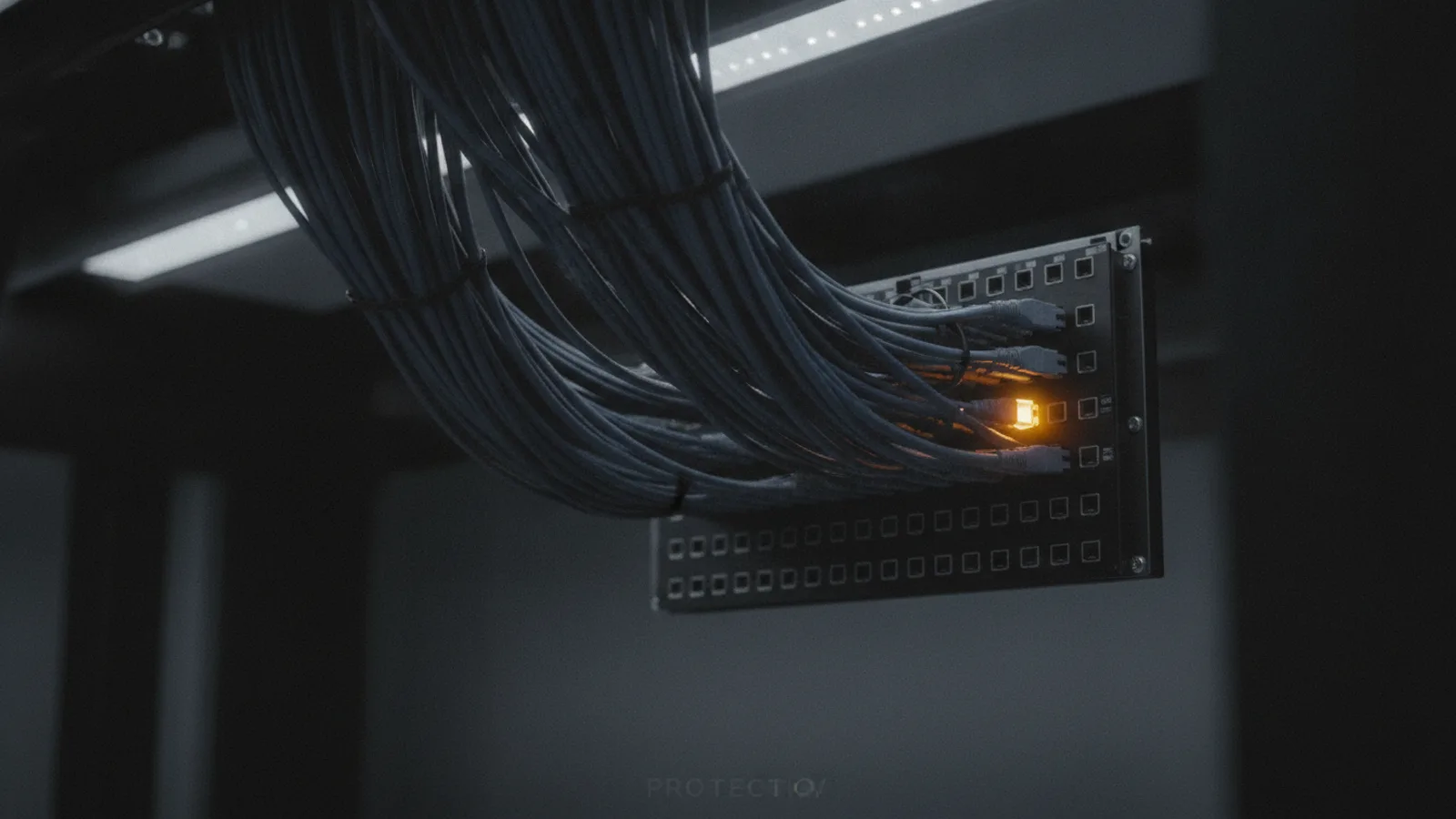
July 26, 2026 — Linus Torvalds released Release Candidate 5 of the Linux 7.2 kernel, and he does not hide that the patch volume is “quite a massive -rc5.” The cause is straightforward: conference-related delays the previous week created a bottleneck, and the backlog of fixes — predominantly network-related — landed in a single batch.
With over 35% of the changes concentrated in networking drivers, this RC5 marks a turning point in the 7.2 cycle. The stable release is targeted for August 16, 2026 — less than three weeks after RC5 — a compressed calendar that leaves administrators little time to validate their workloads.
A networking-dominated RC5, a one-off phenomenon
Linus Torvalds is candid in his release note: nothing struck him as “particularly strange or scary,” but “it is a bit too big for my liking.” The abnormal volume stems from merge backlogs caused by conferences — networking maintainers accumulated validated fixes during events and submitted them in bulk upon returning to their desks.
The RC5 patch breakdown paints a clear picture:
- Networking (
drivers/net/,net/core/): > 35% of changes, almost exclusively drivers - Sound (
sound/): numerous hardware-specific quirk table fixes - USB (
drivers/usb/): unusual volume, actually outpacing GPU updates - TTY, block, firewire, SMB, btrfs, selftests, perf, Rust bindings: scattered point fixes
That USB patches outnumber GPU updates is a statistical anomaly in the late-cycle rhythm — normally GPUs dominate RC5. This one-off inversion does not reflect any structural trend.
The AI discovery loop is now just business as usual
A notable aspect of this RC5 is the pervasive presence of fixes originating from automated bug discovery tools. AI-enhanced fuzzers and static analyzers continue to surface hardware-specific edge cases that human reviewers miss during manual passes.
The audio subsystem is the primary beneficiary in this RC5: most audio configuration fixes come from automated scans detecting incomplete quirk tables — the compatibility tables that map an audio device to its specific parameters. Without these fixes, a Realtek ALC256 audio chipset might fail to detect its internal speakers on a specific laptop model.
Torvalds no longer remarks on it. The “new normal” of the development cycle is that every RC carries a growing volume of automation-driven fixes, and this RC5 is no exception.
A 17-year-old Firewire IPv4 bug finally patched
Among the notable fixes in this RC5, a patch for the IPv4 over IEEE-1394 (Firewire) stack corrects a bug that has sat in mainline since approximately 2009. The bug did not cause crashes, but could lead to undefined behavior in the rare industrial deployments still using Firewire for network transport.
The kernel team has publicly stated its intention to maintain IEEE-1394 support through 2029, primarily for industrial and military deployments running certified rack-mounted hardware that cannot be migrated. These organizations operate on 15-to-20-year hardware lifecycles — a latent network bug from 2009 becomes a compliance problem in 2026.
What ships in the stable 7.2 release
Beyond RC5’s networking volume, the 7.2 kernel carries a feature set that matters to administrators:
- Intel Panther Lake graphics performance: Xe3 Arc B390 GPUs receive significant performance optimizations, paving the way for Intel’s next-generation laptop silicon
- PCIe 5.0 optimizations for AMD EPYC Turin: AMD EPYC Turin-generation server platforms get dedicated NVMe PCIe 5.0 storage improvements, with measured gains of 8–12% on sequential throughput
- AF_ALG crypto API deprecation: the
AF_ALGuserspace crypto API is officially marked deprecated, ahead of its planned removal in Fedora 45. Applications relying on it must migrate to thekcapiAPI or thesendmsg/recvmsgsyscall interface - Rust bindings: new Rust abstractions for memory management and drivers, continuing the language’s gradual integration into the kernel
A compressed cycle: merge window to stable in under a month
The 7.2 cycle is faster than average. The merge window opened in mid-July 2026, RC1 followed days later, and RC5 is already on servers with a stable target of August 16. This timeline — less than a month from merge window to stable — is compressed even by modern kernel standards.
| Milestone | Date (2026) | Interval |
|---|---|---|
| Merge Window opened | ~July 14 | — |
| RC1 | ~July 21 | 7 days |
| RC5 | July 26 | 5 days |
| Stable (target) | August 16 | 21 days |
For administrators testing RCs in production, the recommendation is clear: wait for RC6 before deploying on critical workloads. A rushed stable release rarely comes without surprises — and RC5’s networking volume, however “stable” per Torvalds, deserves at least one more week of bake time.
What RC5 tells us about the 7.3 cycle
The 7.3 cycle, which begins immediately after 7.2 stable ships, is already preparing heavier changes:
- A kvm_mmu cleanup series to reduce memory management code complexity in virtual machine handling
- Support for in-kernel network offloading to AMD GPUs, a feature that will allow AMD GPUs to process network packets directly, bypassing the CPU
- A syscall entry path rewrite, targeting 8–12% latency reduction on frequent syscalls like
read()andwrite()
These features will not land in 7.2, but their presence in the 7.3 merge window queue signals that the kernel’s innovation pace is not slowing — it is accelerating.
Verdict
Linux 7.2-rc5 is a solid build — provided you do not deploy it to production before RC6.
- If you are testing RC5 in a pre-production environment, focus your efforts on the networking stack (drivers, VLANs, bonding, hardware offloading). That is where the bulk of the patch volume lives, and where residual bugs hide.
- If you manage legacy industrial hardware with Firewire, this RC5 directly affects you — the IPv4 bug patched after 17 years is the kind of technical debt that explodes at the worst possible moment.
- If you are waiting for the August 16 stable release for your production servers, schedule a test window the week of August 11 on the expected RC6. Do not let a compressed cycle steal your validation window.
The Linux 7.2 kernel is not a revolutionary release. It is a consolidation release, with massive networking fixes, GPU optimizations, and two-decade-old bug corrections — exactly the kind of kernel you want to deploy on a Friday evening without drama.
References
- Linux Kernel Archives — linux-7.2-rc5.tar.gz, July 26, 2026
- LinuxCompatible — Linux Kernel 7.2 RC5 Released: Massive Networking Patch Push, July 26, 2026
- 9to5Linux — Linus Torvalds Announces First Linux Kernel 7.2 Release Candidate, accessed August 8, 2026
- Linux Kernel Mailing List — v7.2-rc5 announcement, July 26, 2026