
Nabu Casa ships a $69 box to revive old hardware and cut devices off from their cloud
On 11 November 2026, Nabu Casa launched the Home Assistant Connect AUX-2, a $69 PoE box that brings audio, RS-232 and Z-Wave to non-smart devices, in the name of its ’no device left behind’ principle. It is the hardware answer self-hosting gives to planned obsolescence: bring your amplifiers, TVs and inverters back under local control before their cloud shuts down.
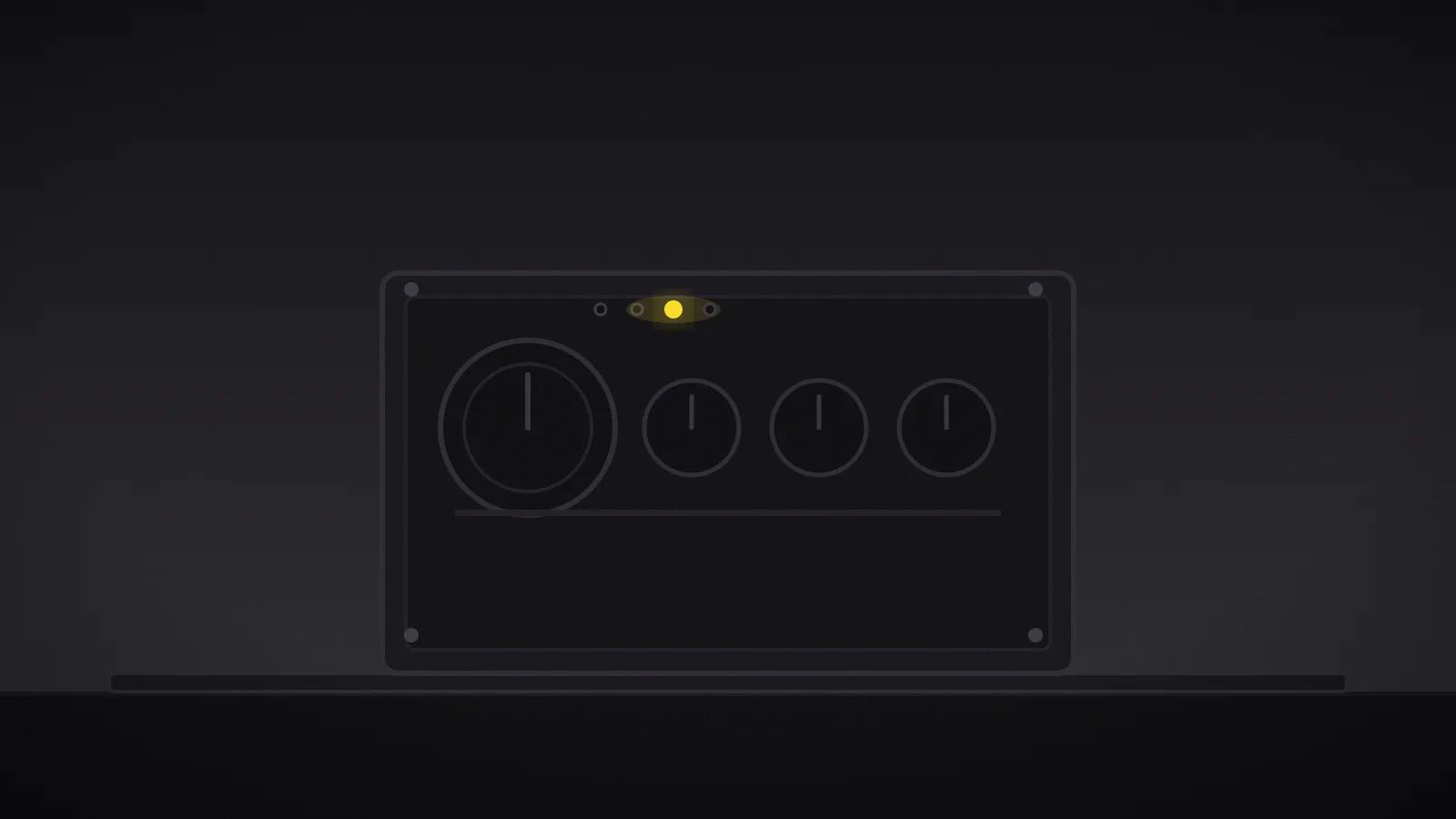
11 November 2026. Nabu Casa launched the Home Assistant Connect AUX-2, a $69 (€59) box available worldwide. The same day. The little device packs audio, two RS-232 serial ports, a Z-Wave port, a Bluetooth hub and Power over Ethernet — all to give a voice to the “not-quite-smart” gear around a home. 13 November 2026. The selfh.st newsletter leads its weekly round-up with the release. Why it matters: behind the box sits a deliberate editorial thesis — self-hosting should revive existing hardware and pull it out of proprietary clouds, rather than push replacement.
A multi-tool born from a simple cost observation
The Connect AUX-2 began as something smaller: a compact box to run a Z-Wave or Zigbee adapter over Power over Ethernet, so it could sit in the best spot in the house instead of tethered to the server. The cost arithmetic changed everything: because PoE was most of the price, adding extra ports turned out to be surprisingly affordable. Nabu Casa merged serial and USB, added a combo analog/digital audio jack, a second serial port, a Grove connector and an upgraded Bluetooth antenna. The name spells it out: AUX for Audio, USB, and X for serial.
Every port was chosen for a concrete job. Audio streams sound, serial controls, Z-Wave extends the radio mesh, and Bluetooth acts as a hub. The box runs on PoE, but also accepts USB power and Wi-Fi — with the vendor’s stated preference for wired, since Wi-Fi brings only marginal latency gains and a risk of instability.
“No device left behind”: the anti-obsolescence thesis
The launch hangs on a single phrase: “no device left behind.” The Open Home Foundation, of which Nabu Casa is a commercial partner, has made it a principle — the most sustainable device is the one you already own. The argument runs in two directions. One is recycling: a great amplifier from the 2000s, a still-working solar inverter, or a recent TV have no reason to be scrapped because their proprietary app died. The other is sovereignty: the same serial port that drives an amplifier can also cut a TV off the internet and control it locally.
That second point is the interesting one for anyone who cares about security. The launch post says it plainly: “Skip that TV spyware, block it from the internet, and instead use your AUX-2 to control it.” Concretely, the LG TV serial integration lets you disconnect a television from the network while keeping control of source, volume and power. That is a tangible attack-surface reduction: every connected gadget removed from Wi-Fi is one less entry point on the home network.
Revived audio: a DAC, FLAC and the end of walled gardens
The audio stage is the most polished part. The Connect AUX-2 reads digital optical — sound arriving as light over a fibre — while serial controls volume, source and power, even from standby. The digital-to-analog converter (DAC) is a clear step up from the one in the Voice Preview Edition, and it auto-senses whether the plugged cable is analog or digital. The direct consequence for a self-hoster: a self-hosted FLAC library plays losslessly through an amplifier that had never seen a network.
The integration with Music Assistant and the Sendspin protocol extends the promise beyond a single brand. Music Assistant merges streaming services and local files into one library, and Sendspin synchronises audio across ecosystems — an AUX-2, a HomePod, and a Sonos speaker can play together. Where the market pushes you to pick a closed ecosystem, self-hosting answers with federation: sound crosses the walls of the gardens.
Serial, the old standard the cloud forgot
RS-232 has sat on the back of professional equipment for decades, and that is precisely what makes it valuable. Home Assistant supports a fast-growing list of serial devices, and the AUX-2’s two ports can drive two of them at once. For RS-485 devices, a $15 USB adapter opens up Modbus — the protocol of solar inverters and climate equipment. The spyware TV, the inverter whose app stopped updating, the air conditioner tied to a portal that will one day close: all become controllable again, locally, without depending on a vendor’s goodwill.
The return to serial is also a return to durability. A device whose cloud closes becomes useful again the day you can speak RS-232 or Modbus to it. It is the same logic as the Neato vacuums recently revived by a self-hosted server — an episode we covered — and it wins ground every time a manufacturer decides to unplug a service.
What this box says about the state of self-hosting
The Connect AUX-2 is not an isolated product; it is a symptom. Nabu Casa is the commercial entity that funds the Open Home Foundation, whose stated mission is to keep the smart home “private, sustainable, and shaped by you.” By shipping a $69 box whose main selling point is not replacing what you already own, the Home Assistant ecosystem draws a sharp line against the proprietary ecosystems: the value is not in renewing hardware, but in the lifespan you give it.
The contrast is worth looking at head-on. A conventional manufacturer monetises replacement and the cloud; self-hosting monetises interoperability and local control. The AUX-2 illustrates the second path with a verifiable economic argument: reviving an amplifier for $69 costs less than buying a new “connected” one, and the branded connected model will still depend on a server you don’t control. The choice is less technical than political — and it repeats itself with every device you let onto the network.
The verdict
If you own an amplifier, TV, inverter or air conditioner whose app or cloud is slipping out of your hands, check first whether it speaks RS-232, RS-485 or Modbus: for $69 the Connect AUX-2 turns a condemned device into a locally controllable peripheral, and cutting its internet connection shrinks your attack surface. That is the most profitable use case — reviving beats replacing.
If your home automation already runs on Home Assistant and your server sits in the basement, the AUX-2 earns its keep as a PoE bridge for your Z-Wave and Zigbee adapters, and as an audio hub for Music Assistant. But if you are not already in the ecosystem, the cost of entry is measured in learning time rather than euros: the box is a multiplier of what Home Assistant already does, not a turnkey solution.