
Stirling PDF 3.0 adds a document automation engine and makes SSO free
On September 24, 2026, Stirling PDF shipped version 3.0, which introduces a PDF Processor that automates batch processing from folders, FTP, or S3, and makes OAuth SSO free for everyone. For a self-hoster who moves documents in volume, the tool graduates from a single-file editor to an automation platform.
September 24, 2026. Stirling PDF shipped version 3.0.0, its first major release since the 2.x series. September 24, 2026. The project introduced a PDF Processor that runs its tools across large volumes of files, from folders, FTP, or S3. September 25, 2026. selfh.st noted the removal of the OAuth SSO paywall, a move that runs opposite to Planka and Grist. Why it matters: the most popular self-hosted document tool stops being a simple editor and becomes a small automation platform.
From a single-file editor to a batch processor
Stirling PDF established itself as the self-hosted reference for PDF work: conversion, merging, compression, OCR. But its model stayed that of an editor: open a file, apply a tool, get a result. Version 3.0 adds, alongside the editor, a component called the PDF Processor.
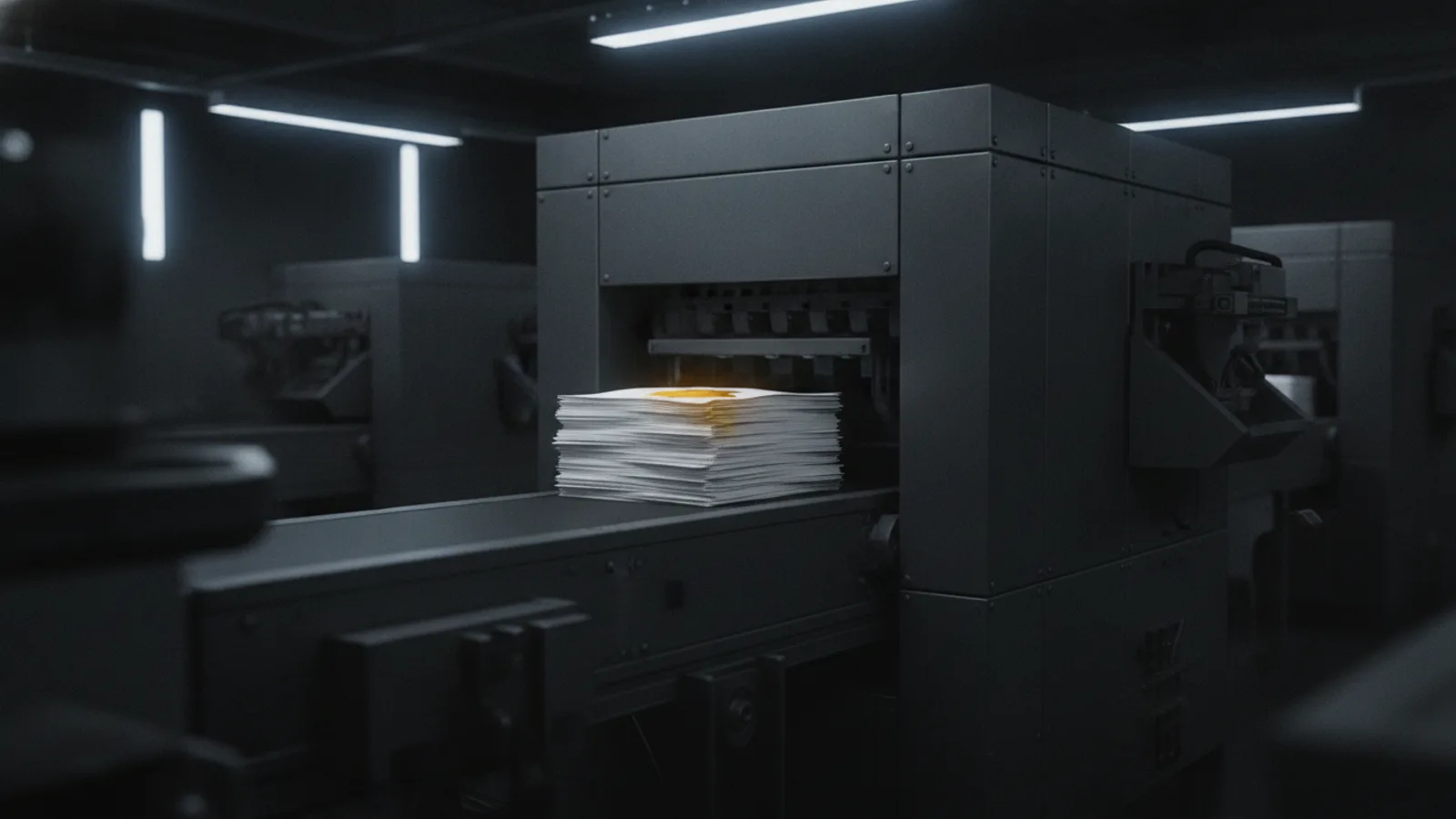
The Processor takes the existing tools and runs them across many files, from a variety of sources — local folders, FTP, S3, and more to come. The idea is easy to state: if you need to OCR 10,000 files, compress an entire folder, or convert a whole document library, the Processor runs the job in bulk and can keep listening to process files as they arrive. This is the component’s first major release, and the maintainers say they will improve it quickly based on usage.
An AI option that is off by default and local
The Processor carries an AI layer that is optional — and off by default. It can understand documents, classify them, extract information, and help automate processing. The important point for a self-hoster: the AI can use local, self-hosted models depending on the setup, rather than an external cloud.
The limit sits at the volume level. Automation includes 1,000 PDFs per month free, an allowance covering automated processing through the Processor, the API, and AI features. Linking a server to stirling.com adds 500 PDFs per month and unlocks the project’s hosted AI, for those who do not want to host their own model. Normal PDF editor usage, by contrast, remains free and unlimited.
Free SSO, a move against the current
The release’s second announcement is less technical but more symbolic: Stirling PDF is making OAuth SSO free for all users. It had been a paid feature until now. selfh.st reads it as a welcome change of direction after weeks in which projects like Planka and Grist pulled SSO out of their community editions to reserve it for paid tiers.
For an organization that wants to run Stirling PDF internally, OAuth SSO is not a luxury: it is often the condition of adoption. A document tool without centralized sign-in forces local accounts and passwords, which most IT departments refuse. By making it free, Stirling PDF lowers the barrier exactly where the competition is raising it — a bet on adoption volume rather than lock-in.
The rest of 3.0: editor, forms, signing
Version 3.0 is not only the Processor and SSO. The text editor exits its alpha phase with a dramatically better interface, performance, and compatibility. The form editor improves, with automatic form detection, a quick access bar, and auto-rotate. Redaction sees major improvements, joined by PDF/UA conversion (still in progress), PDF portfolio support, a dedicated Reader view, and signing from your phone via QR code.
Versioning gains RFC 3161 timestamps, search now spans all of Stirling PDF, and the mobile UI has been reworked. A new files library and desktop folders let you mount directories from disk to run automation on. Finally, the maintainers announce fixes and security improvements, and promise a near-weekly release cadence with a greater focus on community pull requests.
Deploying 3.0
Upgrading works as usual, by pulling the new image. A Docker deployment remains the simplest path for a homelab:
docker run -d \
  -p 8080:8080 \
  -v /path/to/data:/usr/share/tessdata \
  -v /path/to/configs:/configs \
  --name stirling-pdf \
  frooodle/s-pdf:latest
The Processor is then configured in the interface, by adding sources (local folder, FTP, S3) and defining the treatments to apply. The AI, if you enable it, can point to a local model rather than stirling.com.
The sustainability question
Removing the SSO paywall raises a larger question. Self-hosted projects oscillate between two models: the everything-free approach, which eventually runs out of steam, and aggressive freemium, which locks basic features behind a payment. Stirling PDF chooses a middle path: the editor stays unlimited, automation is capped at 1,000 PDFs per month, and hosted AI is monetized through the link to stirling.com.
That is a signal worth reading when you choose a self-hosted tool: a project’s viability is measured by the clarity of its monetization boundary, not by the absence of one. A project that monetizes badly either dies or hardens its terms — and a homelab that built its flows on top of it ends up migrating in a hurry.
Where it sits next to Paperless-ngx
There is still the question of placement in an already crowded ecosystem. Paperless-ngx dominates the capture and filing of scanned documents, with full-text indexing and automatic routing rules. Stirling PDF remains first and foremost a manipulation tool: convert, compress, merge, OCR. The Processor does not attack Paperless-ngx on the indexing front, but on batch processing — transforming an entire archive, compressing it, converting it from one format to another.
The two complement each other more than they compete. A mature document workflow often runs both side by side: Paperless-ngx to ingest and retrieve, Stirling PDF to transform at scale. The Processor fills exactly the blind spot in that chain: the moment you need to apply the same tool to thousands of files.
Verdict
If you already self-host Stirling PDF for occasional use, the editor stays free and unlimited: 3.0 changes nothing about your habits, apart from a far better editing interface. If you process volume — archives, invoices, document libraries — the Processor is the reason to upgrade: batch automation from S3 or FTP turns the tool into a pipeline, within the 1,000 PDFs per month free allowance. If you want to roll it out in an organization, the now-free OAuth SSO removes the main adoption blocker, at a moment when other projects are reintroducing it. The signal of 3.0 is clear: Stirling PDF no longer wants to be only a file Swiss army knife, but the self-hosted hub of document processing.